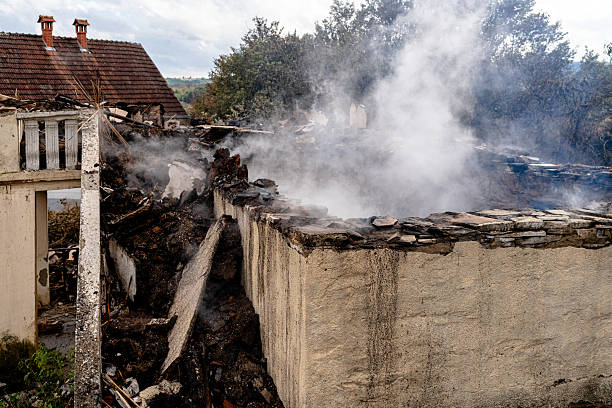
Even a small, contained fire can push smoke particles into closets and vents on the far side of the house well before anyone notices. Fire Damage Laser Cleaning's Smoke Damage Removal crews in Mayer, AZ classify the smoke type first — the three main smoke classifications — because each one calls for a different removal method.
A smoldering fire produces wet smoke that smears under the wrong cleaning method, while a fast-burning fire leaves dry smoke that responds better to dry-sponge and HEPA techniques. Getting that classification wrong at the start is the single most common reason DIY smoke cleanup makes a Mayer home smell worse instead of better.
Call +1-866-484-1409 Now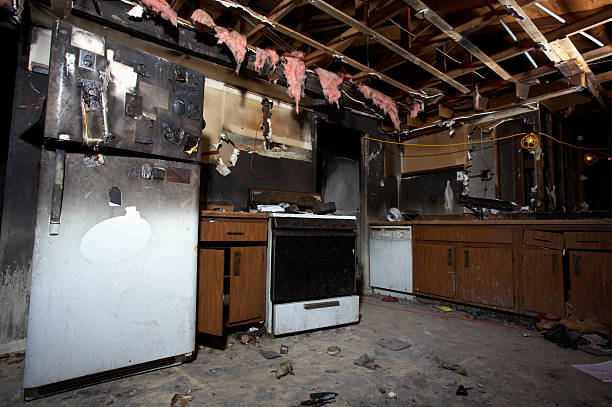
Classification happens at inspection, which determines whether we reach for dry sponges, wet wiping, or thermal fogging.
Smoke residue keeps etching into surfaces the longer it sits, so our Mayer crews prioritize same-day response on active jobs.
You get a written estimate before we touch a single surface, and that number doesn't move once work starts.
Because smoke travels through ductwork, we check the HVAC system rather than assuming clean-looking rooms mean a clean house.
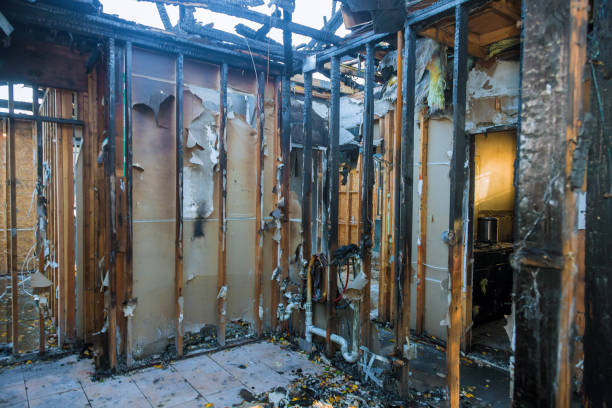
A surprising number of Mayer calls come in weeks after a fire, once a homeowner realizes the smell in one bedroom never actually went away despite cleaning every visible surface — that's almost always a sign the smoke traveled further than the visible damage suggested.
Because smoke particles are smaller than most HVAC filters can catch, rooms far from the original fire often still need Smoke Damage Removal treatment.
Understanding how air moved through the Mayer property during the fire helps us predict where residue settled, even in spaces that look untouched, which is part of why our Smoke Damage Removal results tend to hold up better over time than a room-by-room approach.
Sticky, smearing residue from a smoldering fire gets treated with solvent-based cleaners matched to the surface material, applied in a way that lifts rather than spreads it.
Chemical dry sponges lift dry smoke particles without embedding them further into porous surfaces, which is the opposite of what a damp rag does.
Protein residue from a grease or kitchen fire is nearly invisible but leaves a strong odor and a yellowish film on cabinets and surfaces — it needs an enzyme-based treatment, not standard degreaser.
We check the duct system for smoke residue since a contaminated HVAC unit keeps recirculating the problem after every other surface is already clean.
Soft materials hold smoke odor longer than hard surfaces, so carpets and upholstery get a dedicated extraction pass as part of the full Smoke Damage Removal scope.
We use a handheld VOC meter to confirm smoke particle levels have dropped to an acceptable range before calling the job complete, not just that the room looks and smells better in the moment.
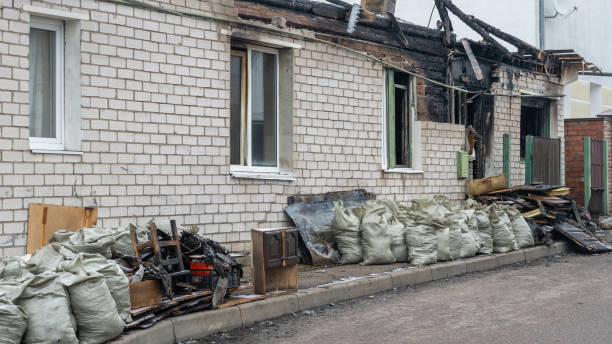
Calling +1-866-484-1409 gets you a dispatcher who asks a few quick questions to identify likely smoke type before the crew even arrives.
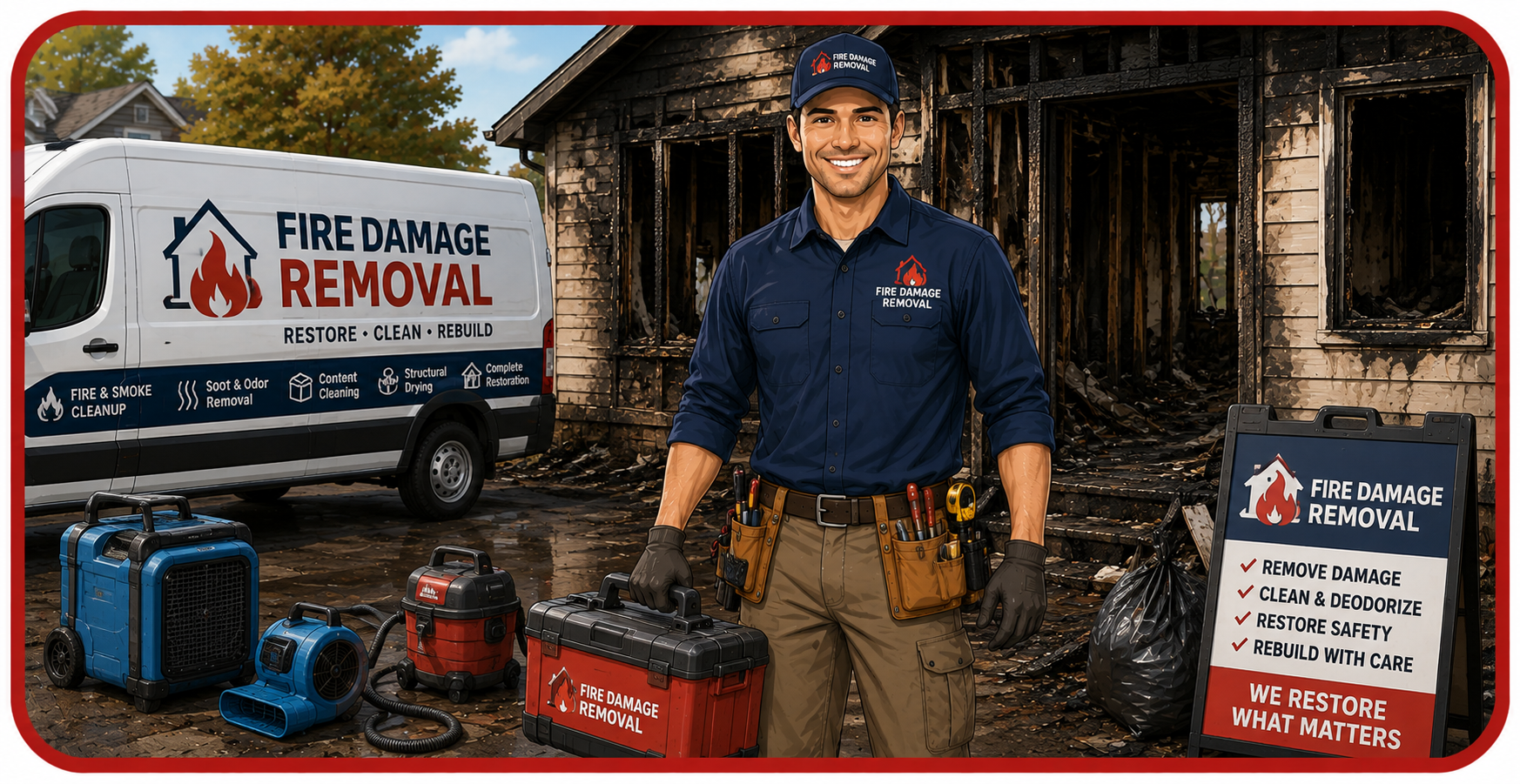
A Smoke Damage Removal response vehicle, stocked for wet, dry, and protein smoke scenarios, typically reaches Mayer addresses within the hour.
Assessment includes a physical residue test to confirm the smoke type before pricing out the Smoke Damage Removal scope.
The job wraps only after a follow-up check confirms the smoke residue is actually gone, not just masked.
"Turns out I was using the wrong cleaner entirely; once they classified the smoke type, the results were night and day."
— Elena V., Mayer
"The smell was gone from every room, not just the one where the fire started."
— Tyrell B., Mayer
"Having a before-and-after reading gave me real confidence the smoke was actually removed, not just covered up."
— Grace L., Mayer
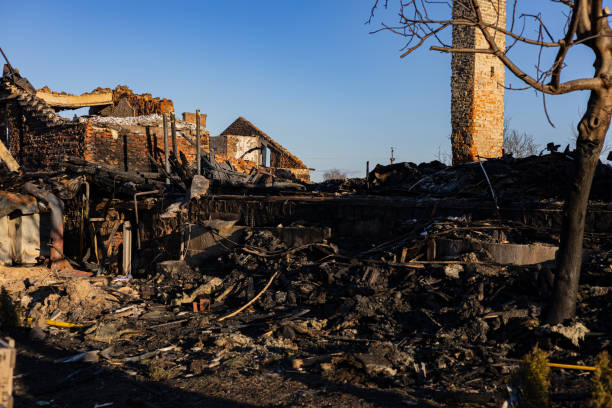
We run Smoke Damage Removal crews across Mayer and the broader Mayer, AZ area, with wet, dry, and protein-residue equipment staged locally for same-day dispatch.
Our Mayer equipment cache includes verification meters for all three smoke classifications, so a mixed-source fire doesn't require waiting on specialized gear from out of the area.